Ekambareswarar temple, Tirukachchi Ekambam (Kancheepuram)
Location
Kancheepuram
Deity
Ekambaranathar, Ekambareswarar
Female Deity
Kamakshi
Pathikam
Tirunavukarasar - 7, Sambandar - 4, Sundarar - 1
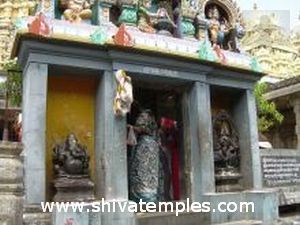
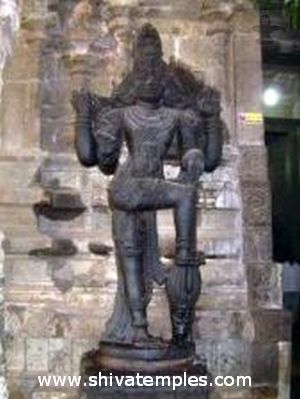
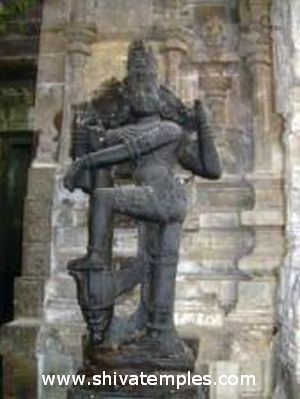
Gallery - Tirukachchi Ekambam Temple


How to Reach
Kancheepuram is well connected by road and rail and it is 80 kilometers from Chennai. The Chengalpet-Arakkonam railway line passes through Kanchipuram. The temple is located about 2 kilometers from Kancheepuram bus stand.
Temple Address
Periya Kanchipuram
Kanchipuram
Kanchipuram District
PIN – 631502
Temple Hours
Morning : 6:00 - 12:30
Evening : 4:00 - 8:30
Temple Introduction
Kancheepuram, admired as "Nagareshu Kanchi" by the renowned poet Mahakavi Kalidasa, holds a significant position in history and literature. There are numerous temples in this city and is among the seven sacred cities believed to offer salvation. Kancheepuram is recognized and associated with the earth element, within the five sacred places associated with five elements of nature known as 'Pancha Bhootam'. Here, the presiding deity Ekambareswarar is worshipped as 'Prithvi Lingam'. The ritual of 'Abishekam' is conducted exclusively for the Avudayar (middle part of the Shiva Linga) and not for the lingam as it is sand-made.
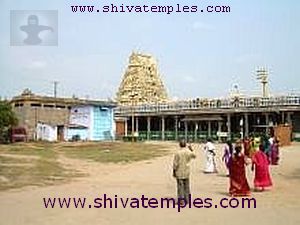
The temple spans an area of 23 acres, with a 9-tiered Rajagopuram that stands at a height of around 190 feet. The Ayirankaal Mandapam (1000 pillared hall) in the fourth prakaram, showcases a plethora of intricate sculptures. Housed within the Ekambareshwarar temple is a divya desam. The sannidhi of Nilathunda Perumal Sannidhi is in the east corner of the first prakaram, standing as a testimony to the unity of Shaiva/Vaishnava cults.
Sthala Puranam - The Divine Penance
At Mount Kailash, Goddess Parvathy once playfully closed Shiva’s eyes, causing the entire universe to be engulfed in darkness. To restore light to the world, Shiva opened His third eye and to illuminate the world. Although Parvathy’s act was innocent, Shiva instructed Her to perform penance to atone for the suffering experienced by all living beings. Accordingly, Parvathy came to Kancheepuram and fashioned a Shiva Lingam from sand beneath a sacred mango tree on the banks of the River Kamba. During Her worship, the River Vegavati flooded and threatened to wash away the Lingam. In an act of supreme devotion, Parvathy embraced the sand Lingam to protect it, leaving the impressions of Her bangles and upper body upon it. Deeply moved by Her unwavering love and devotion, Shiva manifested before Her and accepted Her as His consort in marriage. Because He melted or softened in response to Her embrace, He came to be known in Tamil as “Thazhuva Kuzhainthaar” (He Who Melted in Her Embrace). This sacred episode of Devi Parvathy’s penance is described in detail in the Thirukurippu Thondar Puranam and the Kanchee Puranam.
Kamakshi - The Sacred Offering
After marrying Goddess Parvathy beneath the sacred mango tree, Shiva presented Her with two nazhis of paddy—an ancient unit of measurement, each weighing approximately 200 grams—and instructed Her to perform thirty-two virtuous acts for the welfare of the world. According to traditional accounts, Parvathy fulfilled these noble deeds while seated in Kama Kootam, where She is worshipped as Goddess Kamakshi. The ancient mango tree that witnessed this divine wedding remains one of the temple’s most sacred features and is regarded as an ideal place for prayer and meditation. It is believed to symbolize the Vedas, with its four principal branches representing the four Vedas. Scholars and experts estimate the age of this remarkable tree to be over 3,600 years, and devotees can perform pradakshina around it along the well-defined circumambulatory path. Proceeding beyond the revered tree, one encounters the magnificent Sahasra Lingam along with its grand Avudayar, while a nearby flight of steps leads devotees to the Urchava sannidhi of Elavar Kuzhali Amman, adding further spiritual significance to this sacred precinct.
Mavadi Sevvel Sannidhi - Muruga
Although Kancheepuram is home to the renowned Kumara Kottam Temple dedicated to Muruga, the verse “Kanchi Mavadi Vaigum Sevvel Potri” found in the Skanda Purana is believed to refer not to that temple but to the Mavadi Sevvel Sannidhi located within the Ekambareswarar Temple complex. This sacred shrine, situated adjacent to the Elavar Kuzhali Amman Sannidhi, holds special significance in the temple's spiritual tradition. Another unique feature of this shrine is the arrangement of the deities: the Urchava Murthis of Muruga along with His consorts Valli and Deivanai are enshrined prominently at the front, while the primary idols (Moolavar) are placed behind them, a rare and distinctive arrangement seldom seen in other Murugan temples.
Nayanmars, Divya Desam and Sacred Lingams
Iyadigal Kadavarkon Nayanar, Tiru-Kurippu-Thonda Nayanar, and Sakkiya Nayanar, all celebrated among the sixty-three Nayanmars, are believed to have received the grace of Shiva at this sacred temple. The temple is also associated with the composition of Kshetra Venbas, further enhancing its spiritual and literary significance. Another notable feature of the temple is the presence of three sacred Lingams worshipped respectively by Brahma, Vishnu, and Rudra, known as Vellakampam, Kallakampam, and Nallakampam. The temple complex also reflects the harmonious coexistence of Saivite and Vaishnavite traditions, as Nilathingal Thundam Perumal, one of the 108 Divya Desams revered in the Vaishnava tradition and one of the fifteen Divya Desams located in Kancheepuram, is enshrined within the premises. Adding to its religious importance, the temple also houses Kachchi Mayanam, a Thevara Vaippu Sthalam situated opposite the Dwajasthambam of the main Swami Sannidhi, making the Ekambareswarar Temple a unique confluence of multiple sacred traditions and spiritual legacies.
Sundara Moorthy Nayanar - The Miracle of Sight
Sundara Moorthy Nayanar married Sangili Nachiyar beneath a sacred Bakula (Magizha) tree at Tiruvotriyur, with Shiva Himself serving as the divine witness to their union. At the time of the marriage, Sundarar solemnly vowed that he would never leave Sangili Nachiyar. However, drawn by his devotion to Thyagaraja of Tiruvarur, he later departed from Tiruvotriyur, thereby breaking the sacred promise he had made. As a consequence of violating his vow, Sundarar lost the sight in both his eyes. Filled with remorse, he undertook a pilgrimage to several sacred shrines and eventually reached Kancheepuram, where he fervently sang hymns in praise of Shiva. Moved by the saint's devotion and repentance, Shiva restored the vision in Sundarar's left eye, making this temple an important milestone in the Nayanmar's spiritual journey.
Temple Magnificence
The grandeur of this vast temple, adorned with countless sannidhis, magnificent sculptures, and centuries of sacred history, is truly beyond the power of words to describe. Every corner of the temple reveals a unique architectural marvel, a spiritual treasure, or a fascinating legend from the past. To fully appreciate its artistic brilliance, historical significance, and divine atmosphere, one must take the time to explore each precinct, shrine, mandapam, and corridor in detail. Only by experiencing the temple firsthand can devotees and visitors truly comprehend the majesty, sanctity, and timeless beauty that make this, one of the most remarkable temples in India.
Gallery - Temple Details