Onakaantheshwar temple, Onakaanthanthali
Location
Onakaanthanthali
Deity
Onakaantheswarar, chalandhareshwarar
Female Deity
Kamakshi
Pathikam
Sundarar - 1
Gallery - Onakaantheshwar Temple

How to Reach
This Shiva temple is situated at Panjupettai, a locality in Kancheepuram. While traveling on the Kancheepuram–Arakkonam Road, proceed past Sarva Theertham and continue up to the Panjupettai Electricity Board Sub-Station. Take the first right turn immediately after the sub-station to reach the temple.
Temple Address
Panjuppettai
(Near Sub-Station)
Periya Kanchipuram
Kanchipuram District
PIN – 631502
Temple Hours
Morning : 7:00 - 11:30
Evening : 4:00 - 7:00
Nearby Paadal Petra Shiva Temples
Temple History
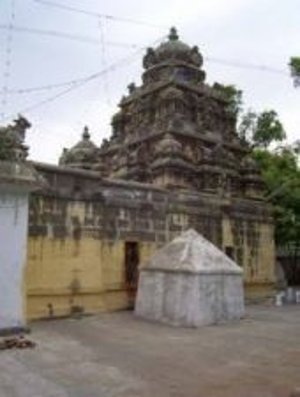
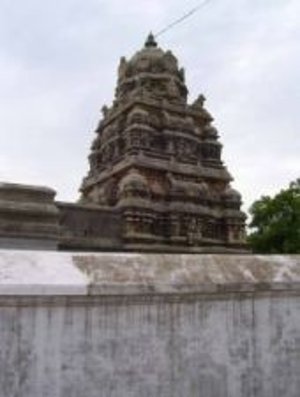
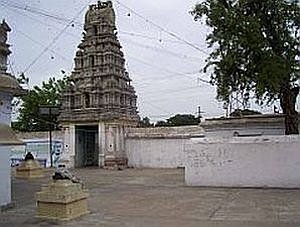
The name Onakanthantali is derived from the demons Onan and Kaanthan, who served as the chief commanders of the army of the mighty king Vanasuran. According to temple tradition, these two devoted followers worshipped God Shiva at this sacred site, and the temple came to be known by a name commemorating their association. Architecturally, the temple is distinguished by its modest yet elegant three-tiered Rajagopuram and its rare arrangement of three separate sanctums. A unique feature of the temple is that it houses three Shiva Lingams, each enshrined in its own sanctum within the temple complex, making it one of the few temples where devotees can worship three distinct manifestations of Shiva in a single sacred precinct. This unusual layout, combined with the temple’s ancient legends, adds greatly to its spiritual and historical significance.
Temple Architecture and Layout
The Three Main Sanctums
Passing through the entrance gateway, devotees enter the temple prakaram, where the Nandi and Balipeetam are prominently situated. The complex houses two Shiva Lingams worshipped by the demons Onan and Kaanthan, each enshrined in its own sanctum and revered respectively as Oneshwar and Kantheshwar.
Oneshwar Sanctum
The foremost sannidhi is dedicated to Oneshwar, a sacred Swayambu (self-manifested) Lingam facing east. Behind the Lingam, Shiva and Goddess Parvathy are beautifully depicted in their divine wedding form (*Tirumana Kolam*). The Artha Mandapam of this sanctum also houses an idol of Saint Sundarar.
Kantheshwar & Chalandhareshwar
The second sanctum is dedicated to Kantheshwar, while the third enshrines Chalandhareshwar, who is believed to have been worshipped by Chalandhara. Historical tradition suggests that this third sannidhi was consecrated during a later period.
Vinayaka Sannidhis
In his Pathikam, Saint Sundarar specifically refers to the shrine of ‘Vayirudhari Pillayar’. In addition to this revered form, devotees can also worship another Vinayaka known as ‘Omkara Vigneshwarar’, whose shrine is located outside the Kantheshwar Sannidhi.
Omkara Vigneshwara's Miracle
A remarkable tradition associated with Omkara Vigneshwara holds that devotees can hear the sacred sound of “Om” by placing their ear close to the idol. This extraordinary phenomenon has made the deity especially revered among worshippers.
Other Deities
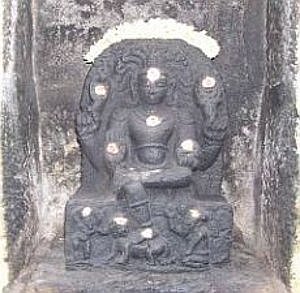
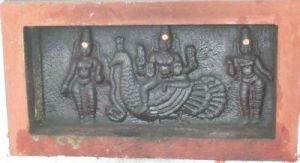
Among the other notable shrines, Dakshinamurthy is depicted in His traditional form with one foot resting upon the demon Muyalaka while imparting wisdom to the Sanakadhi sages. Lord Muruga is enshrined seated majestically upon His peacock vahana, accompanied by His divine consorts, Valli and Deivanai.
The Goddess and Sacred Elements
As Goddess Kamakshi is revered as the supreme Divine Mother of the entire Kanchi region, most Shiva temples in and around Kanchipuram traditionally do not have a separate shrine for the Goddess, and this temple follows the same custom. Despite the absence of an independent Amman Sannidhi, the divine presence of Kamakshi is believed to permeate the temple. The sacred Sthala Vrukshams of this temple are the Vanni (Prosopis cineraria) and Tamarind trees, both of which hold special religious significance. The temple's Theertham (sacred water source) is situated just outside the temple premises and is regarded as an integral part of the temple's spiritual heritage.
Sundarar's Pathigam and Legend
Sundarar’s Pathikam on this sacred shrine is preserved in the Seventh Tirumurai and beautifully reflects the intimate relationship he shared with Shiva. In the hymn, Sundarar addresses the deity with the familiarity and affection of a devoted servant conversing directly with his master, and in response to his heartfelt praise, Shiva is said to have rewarded him with gold. According to temple tradition, while Sundarar was singing the fifth verse of the Pathikam, Shiva concealed Himself within a nearby tamarind tree. Unaware of the divine play, the saint continued his hymn with unwavering devotion until, miraculously, golden fruits began to fall from the tree. This extraordinary event is remembered as one of the temple’s most cherished legends and stands as a testament to the deity’s grace towards His beloved devotee.
It is believed that daily recitation of this verse with devotion will bring blessings, prosperity, contentment, and joy to the devotees.
Gallery - More Temple Views