Kunthalanathar temple, Tirukkurakukka
Location
Tiru-Kurakukka
Deity
Kundhalanathar, Kundhaleswarar
Female Deity
Kundhalambikai
Pathikam
Tirunavukarasar - 1
Gallery – Kunthalanathar Temple, Tirukkurakukka

How to Reach
This Shiva temple is near Tirukaruppariyalur. From Vaitheeswaran Koil, reach a place called Elanthoppu which is on the route towards Manalmedu. From Elanthoppu, a 3 km branch road leads to Tirukkurukukka. It is better to engage an auto-rickshaw or a cab at Vaitheeswaran Kovil to visit this temple and Tirukkaruppariyalur together.
Travel Tips
The four temples of Tirukurakkuka, Tiruvaloliputhur, Tirukarupariyalur, and Tirupunkur form a circuit that can be conveniently visited as a half-day trip from Vaitheeswaran Koil. The optimal route would be to begin at Vaitheeswaran Koil and then proceed to Tirukurakkuka, followed by Tiruvaloliputhur, Tirukarupariyalur, Tirupunkur, and finally returning to Vaitheeswaran Koil. The roads leading to Tirukurakkuka, Tiruvaloliputhur, and Tirukarupariyalur wind through picturesque paddy fields, and it is better to visit these temples during daylight hours rather than late evening, as they are interiorly located in villages.
Temple Address
Tiru-kurakkaval
Elanthoppu Post
Mayiladuthurai Taluk
Mayiladuthurai District
PIN – 609201
Temple Hours
Morning : 6:00 AM - 12:00 PM
Evening : 4:00 PM - 8:00 PM
Nearby Paadal Petra Shiva Temples
Sthala Purana
The Name – Tirukurakkuka
Tirukurakkuka is one of five revered temples whose names conclude with the syllable 'ka', the others being Tiruvanaika, Tirukodikka, Tirunellikka, and Tirukolakka. The temple's distinctive name originates from an intriguing legend involving the worship of a monkey, lending the site its unique identity.
Temple Overview
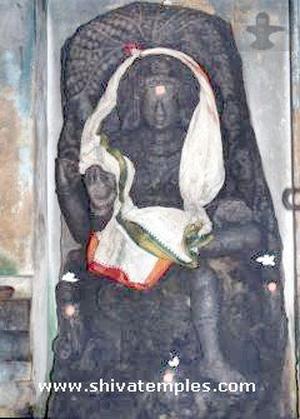
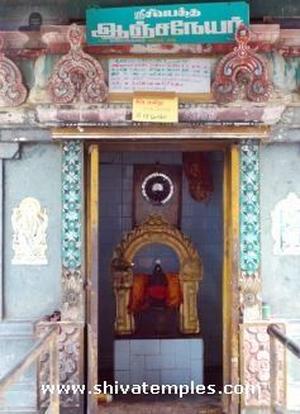
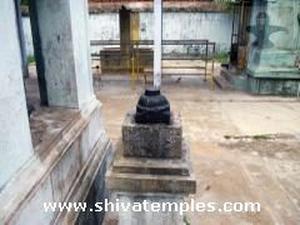
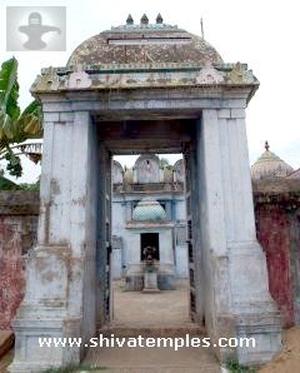
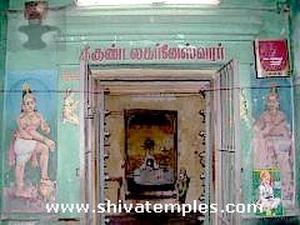
Unlike many grand temple complexes, Tirukurakkuka features a modest, unassuming entrance devoid of the typical towering gopuram. A captivating painting adorns the space above the entrance, depicting Hanuman in a reverential pose worshipping Lord Shiva with unwavering devotion. This gateway leads devotees into the prakaram, a spacious courtyard that houses the balipeetam and Nandi. Within this enclosure, one also finds separate sannidhis dedicated to Vinayaka and Muruga, the latter accompanied by his consorts Valli and Deivanai. As worshippers make their way into the front mandap, to the right are the idols of Bairava, Surya the sun god, and Hanuman.
Directly across from the mandap stands the east-facing sannidhi of the temple's presiding deity. To the right of this main sanctum is the south-facing sannidhi housing the idol of the deity's female consort. At the entrance to the presiding deity's shrine, devotees are greeted by a statue of Hanuman with hands folded in a reverential posture of worship. The temple complex also features a separate, dedicated sannidhi for Hanuman himself.
Hanuman – The Consecrator
According to the sthala purana, it was Hanuman who originally consecrated the Shiva Linga enshrined here for his own worship. The legend relates that when Hanuman attempted to move the sand Linga created by Sita, his tail was severed, causing him to incur a dosha or spiritual affliction. Acting on Lord Rama's counsel, Hanuman journeyed to this spot and installed a Linga to worship in expiation. Thus, Hanuman occupies a place of special prominence in this temple's traditions. To this day, on every new moon, a homa or fire ritual is conducted in his honour. Moreover, each year during the Tamil month of Chittirai, two monkeys visit the temple and make offerings of leaves from the vilva tree to the enshrined deity — a miraculous occurrence that continues to be witnessed by local residents to this day.
Blessings & Theertham
The deity worshipped by Hanuman at this temple is believed to have the power to alleviate the negative effects of the Sun and Saturn on devotees. By seeking the blessings of this deity as well as Hanuman, who is known for his devotion and strength, worshippers aim to counteract malefic planetary influences and overcome obstacles. The temple is also associated with a sacred water body called 'Pazhavaru' or 'Ganapathy River', whose waters are thought to bestow blessings for a happy marriage and to grant couples the gift of children, removing any impediments in their path to parenthood. The pathikam composed by Tirunaavukkarasar is in the 5th Tirumurai.
More Gallery