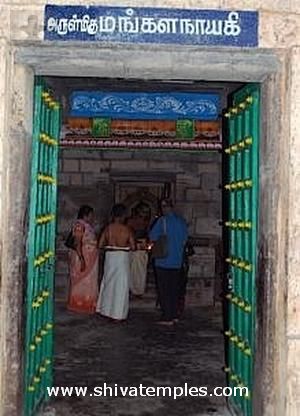
Neelakanteswarar temple, Tirumannippadikkarai
Location
Tiru-Manni-Padikarai (now known as Eluppaippattu)
Deity
Neelakanteswarar, Padikkarai Nayakar, Paramesar
Female Deity
Mangalanayaki, Amuthavalli
Pathikam
Sundarar - 1
Gallery – Neelakandeswarar Temple, Tirumannippadikkarai


How to Reach
This Shiva temple is 16 Kms to the west of Vaitheeswaran Kovil, situated near Manalmedu at Eluppaipattu. Bus services are available from both Mayiladuthurai and Vaitheeswaran Kovil. When asking for directions, use the more colloquially recognised name Eluppaipattu, as this is the name most familiar to local residents.
Temple Address
Iluppaipattu
Manalmedu Post
Mayiladuthurai Taluk
Mayiladuthurai District
PIN – 609202
Temple Hours
Morning : 6:00 AM - 11:30 AM
Evening : 3:30 PM - 7:30 PM
Nearby Paadal Petra Shiva Temples
Sthala Purana
The Name – Tirumannippadikkarai
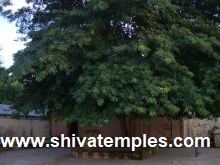
Tirumannippadikkarai, a name derived from its location on the bank of the Manni River, is more commonly known by locals as Eluppaipattu — a name originating from the sthala vruksham (sacred tree) of this temple, the 'eluppai' tree.
The Pancha Pandavas & Five Lingas
The sacred temple site of Tirumannippadikkarai holds immense significance, being honoured by the Pancha Pandavas — the five legendary brothers from the epic Mahabharata. The Pandavas took refuge here during their arduous exile, and each brother worshipped one of the five Shiva Lingas enshrined within the temple complex: Yudhishtira, the eldest, paid homage to Neelakantar; Arjuna venerated PadikkaraiNathar; the mighty Bhima worshipped Magadeesar; Nakula offered reverence to Parameshwarar; and Sahadeva sought blessings from Muthugiriswarar.
Duryodhana’s Plot & Neelakantar
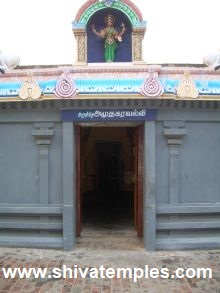
Duryodhana, consumed by enmity towards his cousins, maliciously poisoned the temple's sacred pool intending to end the Pandavas' lives. However, the resident Goddess neutralised the venom with the divine nectar (Amritha) she held in her hands. Lord Shiva then imbibed the poison, turning his throat a vivid blue, thus earning him the appellation "Neelakantar" (the blue-throated one). The Goddess, in turn, came to be reverentially known as "Amritha-Kara-Valli" — she who bears the nectar of immortality.
Temple Layout
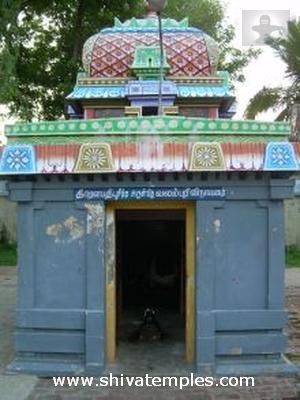
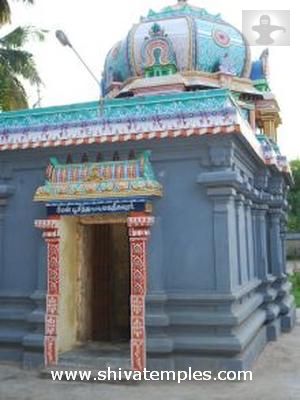
The Neelakandeshwarar Temple faces the rising sun in the east, adorned with a modest gopuram rising in three elegant tiers. Upon passing through the gateway, visitors are greeted by the sacred 'eluppai' sthala vruksham standing tall to the left. Within the expansive prakaram enclosure, devotees encounter the revered Lingas once worshipped by the Pandava brothers Bhima and Nakula, followed by the idol of Vinayaka revered by Draupathi herself. To the right lies the sannidhi dedicated to Amrita-kara-valli, while to the left are the sannidhis of Subramanya, Goddess Mahalakshmi, and the Linga worshipped by Sahadeva.
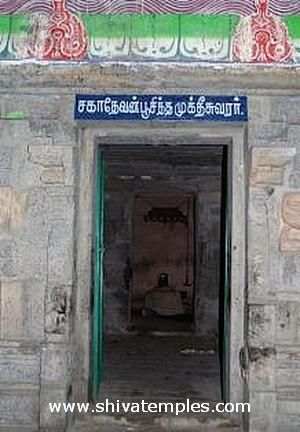
After completing the traditional circumambulation of the prakaram, a flight of steps leads to the sanctum housing the presiding deity, Lord Neelakandeshwarar. Here, the two principal Lingas — Neelakanteshwarar and PadikkaraiNathar, once worshipped by Yudishtra and Arjuna respectively — take precedence, their significance marked by the presence of the revered Nandi positioned directly opposite. Adjacent to these primary Lingas stand the respective sannidhis dedicated to their divine female consorts. The Linga worshipped by Bhima manifests as a unique 'Shodasha Linga', attracting devotees who seek blessings for the attainment of the sixteen forms of wealth. The south-facing Muktheeswarar Linga, once venerated by Sahadeva, draws those seeking mastery over astrology and the sacred Sastras.
Muruga & Thiruppugazh
The ancient Tamil saint-poet Arunagirinathar has exalted and glorified the deity Muruga enshrined in this temple. The sannidhi dedicated to Muruga is situated in the northern prakaram. Muruga is depicted with a single face and four divine arms, standing in a powerful yet graceful posture alongside his two consorts, Valli and Deivanai, facing east. Notably, the utsava murti taken out in ceremonial processions is portrayed bearing a bow and arrow, emblematic of Muruga's warrior prowess and his ability to defeat evil and ignorance with the weapons of knowledge and devotion. Arunagirinathar's Tirupugazh contains one song specifically extolling the glories and attributes of this Muruga.
More Gallery