Pathanchali Nathar Temple, Tirukkanattumullur
Location
Tiru-Kanattu-Mullur
Deity
Pathanchali Nathar, Patanjaleeswarar
Female Deity
Kaanaar-Kuzhali, Ambujakshi
Pathikam
Sundarar - 1
Gallery – PathanchaliNathar Temple, Tirukanattumullur

How to Reach
This ancient Shiva temple is located at Kaanaatampuliyur, near Muttam village, on the northern bank of the Kollidam River, about 9 kilometers from Kattumannarkoil. The temple can be conveniently reached by bus services operating from both Chidambaram and Kattumannarkoil to Muttam village. From the Muttam bus stop, the temple is situated approximately 2 kilometers away and can be reached by local transport or on foot.
Temple Address
Kanattampuliyur
Muttam Post
Kattumannarkoil Taluk
Cuddalore District
PIN – 608306
Temple Hours
Morning : 7:00 - 9:00
Evening : 6:00 - 7:30
Nearby Paadal Petra Shiva Temples
Temple Layout
Entrance & Front Mandap
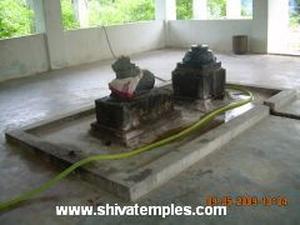
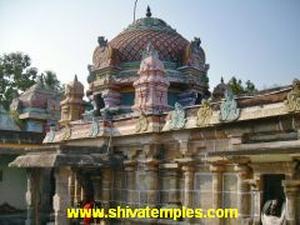
The temple faces east and is distinguished by its majestic three-tiered Rajagopuram, which serves as the main entrance to the sacred complex. Directly opposite the gopuram lies the tranquil Surya Theertham, adding to the serene atmosphere of the temple surroundings. Upon entering through the gateway, devotees arrive at the front mandapam, where the Bali Peetam and Nandi, Shiva’s sacred bull mount, are enshrined facing the sanctum. To the right of the mandapam is the south-facing sannidhi of the Goddess, Ambujakshi, who is also revered as Kaanaar Kuzhali Ammai and Kol-Valai-Kai Ambikai. Adjacent to the Goddess sannidhis is a separate sanctum dedicated to Saneeswara Bhagavan (Saturn), a popular place of worship for devotees seeking relief from the effects of Sani Dosha. The front mandapam also houses a beautiful sculpture of Krishna flanked by two Nagas, along with a Shiva Linga accompanied by serpent deities, both of which attract the attention and reverence of visitors.
Sanctum & Presiding Deity
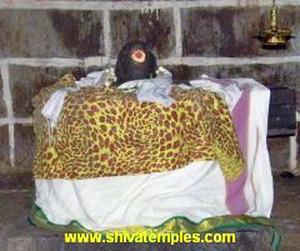
Proceeding into the sanctum, devotees can worship the presiding deity, Pathanjaleeswarar, who is enshrined in the form of a small Swayambhu Lingam (self-manifested Shiva Linga). A notable feature of the temple is its remarkable celestial alignment: during the Tamil month of Chithirai, the rays of the rising sun fall directly upon the deity for three consecutive days, creating a spiritually significant spectacle. The temple’s Goshta Murthas include Vinayaka, Dakshinamurthy, Mahavishnu, Brahma, and Goddess Durga. Opposite the Goshta Murtha of Mahavishnu is the sanctum of Muruga, who is enshrined with his consorts Valli and Deivanai. Nearby stands the sannidhi of Gajalakshmi, the goddess of wealth, prosperity, and auspiciousness, where devotees offer prayers for abundance and well-being.
Prakaram & Special Shrines
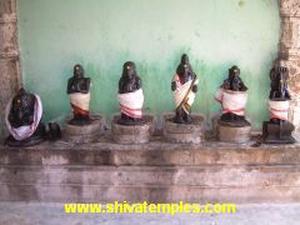
As devotees proceed around the sanctum through the prakaram, they encounter sannidhis dedicated to Kasi Viswanathar, Visalakshi, and Nruthi Vinayaka. Opposite the sannidhi of Nataraja stand the four principal Nayanmars, along with Vinayaka and the revered sage Patanjali, forming a spiritually significant ensemble that reflects the temple's rich Shaivite heritage. The temple is especially renowned as a sacred place for alleviating the effects of Naga Dosha. Devotees from far and wide visit the temple to offer prayers and perform worship, seeking relief from serpent-related astrological afflictions and the blessings of the presiding deity for peace, prosperity, and well-being.
Temple Legend
Adishesha & Sage Patanjali
Adishesha, the divine serpent who serves as the celestial couch of Mahavishnu in the cosmic ocean of Paarkadal, longed to behold the magnificent cosmic dance of Shiva. Recognizing the sincerity of this desire, Mahavishnu advised Adishesha to be born on earth as the sage Patanjali and to perform rigorous penance in devotion to Shiva. Following this divine guidance, Adishesha incarnated as Patanjali and undertook intense meditation and austerities, dedicating himself wholeheartedly to the worship of Shiva.
Shiva’s Cosmic Dance Revealed
Pleased with Patanjali’s unwavering devotion, Shiva granted the sage the rare blessing of witnessing his divine cosmic dance at Chidambaram. Thereafter, Patanjali visited Tiru-Kanattu-Mullur and once again prayed earnestly for a vision of this sublime form. Moved by the sage’s steadfast devotion and sincere worship, Shiva graciously revealed his cosmic dance to Patanjali at this temple as well. In remembrance of this divine event, the presiding deity came to be revered as Patanjaleeswarar (Patanjali Eeshwarar). The glory of this temple is further celebrated in a Pathikam composed by Sundarar, which is included in the Seventh Thirumurai of the Thevaram canon.
The Puliyur Temples
Sage Vyaghrapada, known in Tamil as Pulikkal Munivar (the Sage with Tiger’s Feet), learned of the glory of Nataraja of Thillai from his father, Mathiyanthinar, and came to Chidambaram to worship Nataraja daily. It was his practice to pluck freshly blossomed flowers and offer them to the Deity. However, since bees would drink the nectar in the morning and affect the purity of the flowers, he began collecting them the night before. To help him in this task, Shiva blessed him with the feet of a tiger to climb trees with ease and the eyes of a tiger to carefully examine the flowers in the dark. Thus, he came to be known as Vyaghrapada (in Sanskrit, Vyaghra means tiger), and in Tamil, he was revered as Pulikkal Munivar.
The temples where Vyaghrapada worshipped are collectively known as the Puliyur Temples. They are :-
- Tiru-Erukkattam-Puliyur
- Tiru-Paathiri-Purliyur
- Perum-Patra-Puliyur (Chidambaram)
- Omam-Puliyur
- Tiru-KAnAttu-Puliyur
- Tiru-Perum-Puliyur
Tirukanattumullur is one of the sacred Puliyur temples. Of these, Omam-Puliyur is nearest to this temple. Erukatham-Puliyur and Tiru-Paathiri-Puliyur are in Nadu Naadu, while Perumpatra Puliyur (Chidambaram), Omam-Puliyur, and Tiru-Perum-Puliyur are all in North of River Kaveri.
More Gallery